November 11, 2026
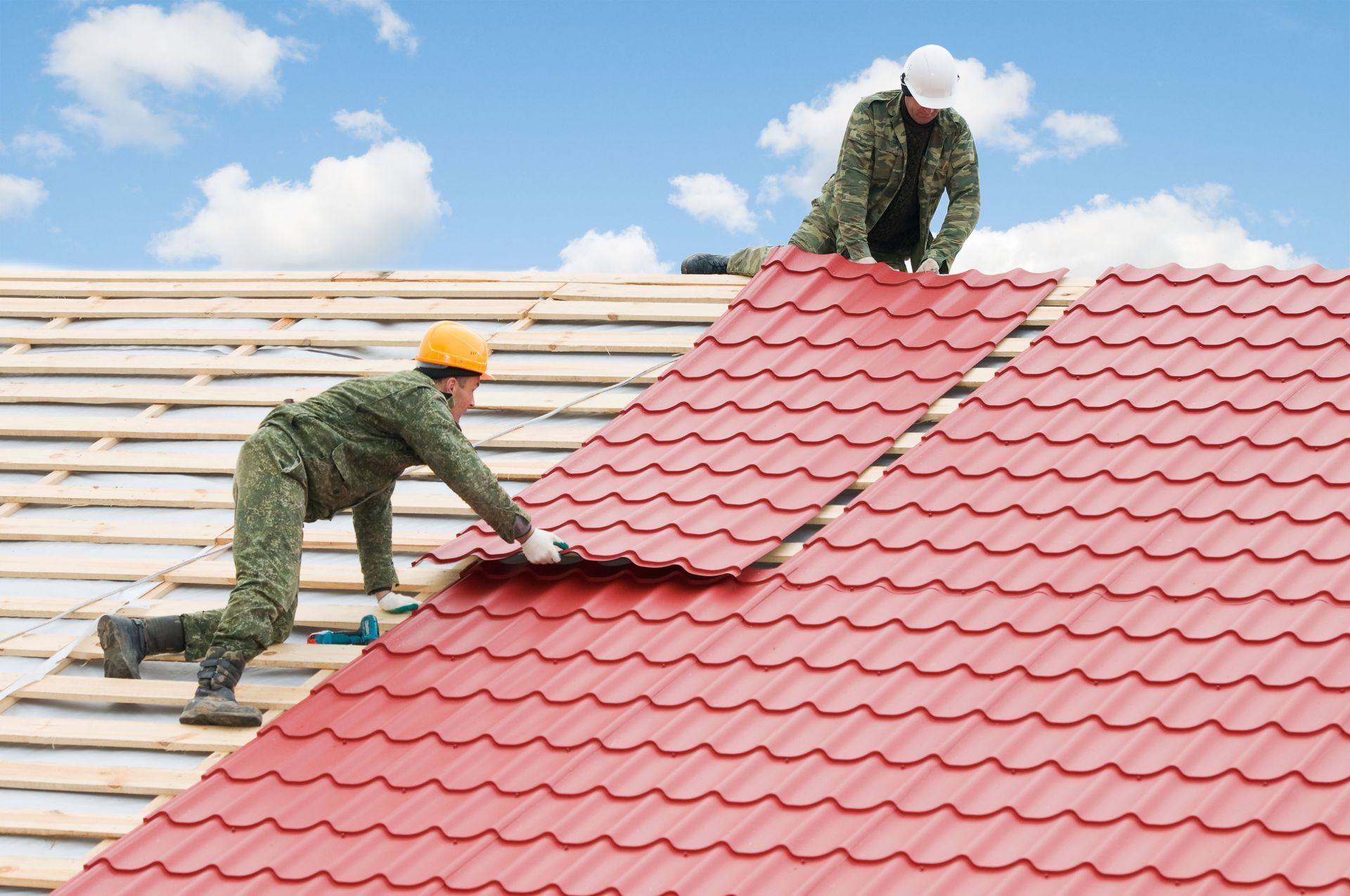
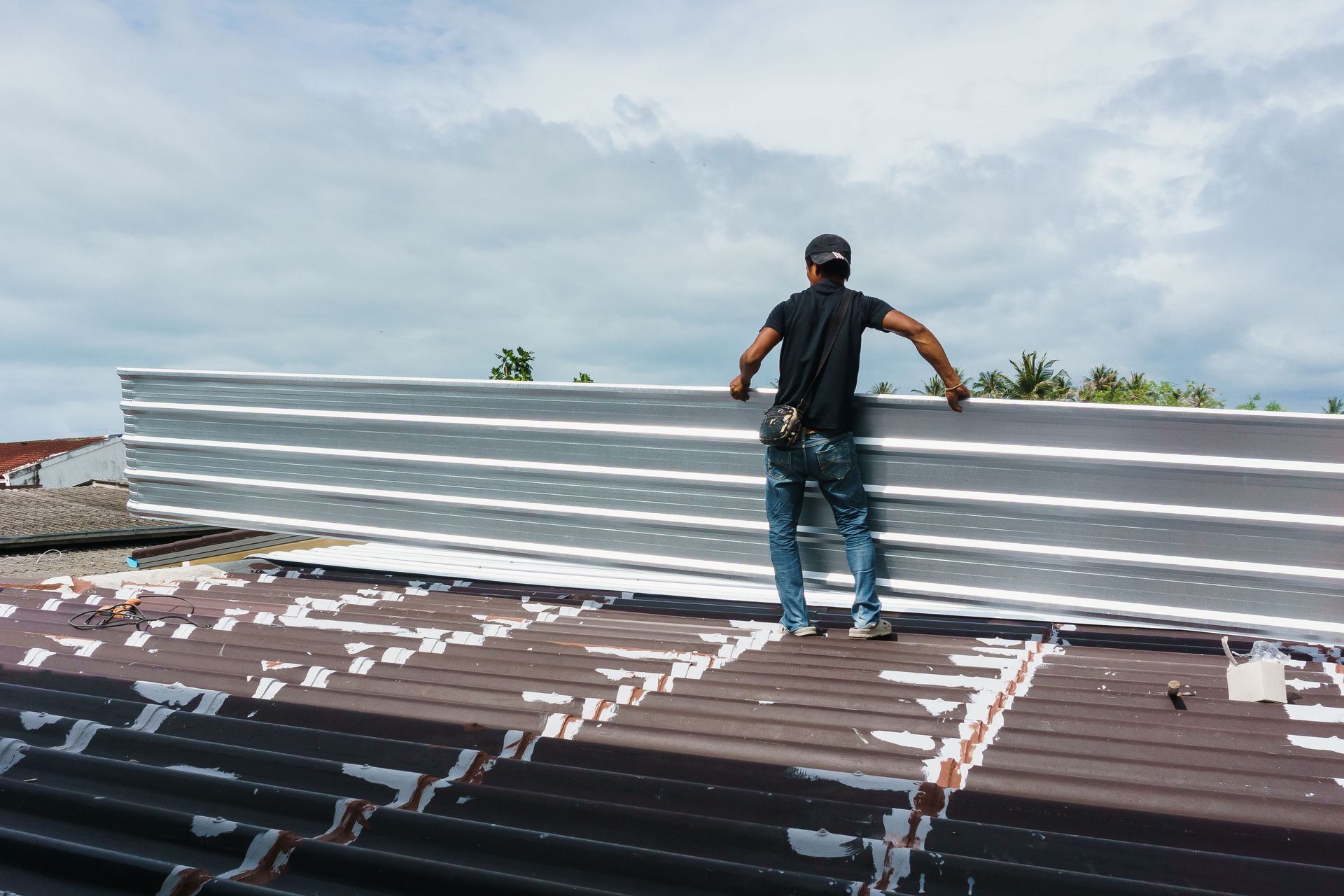
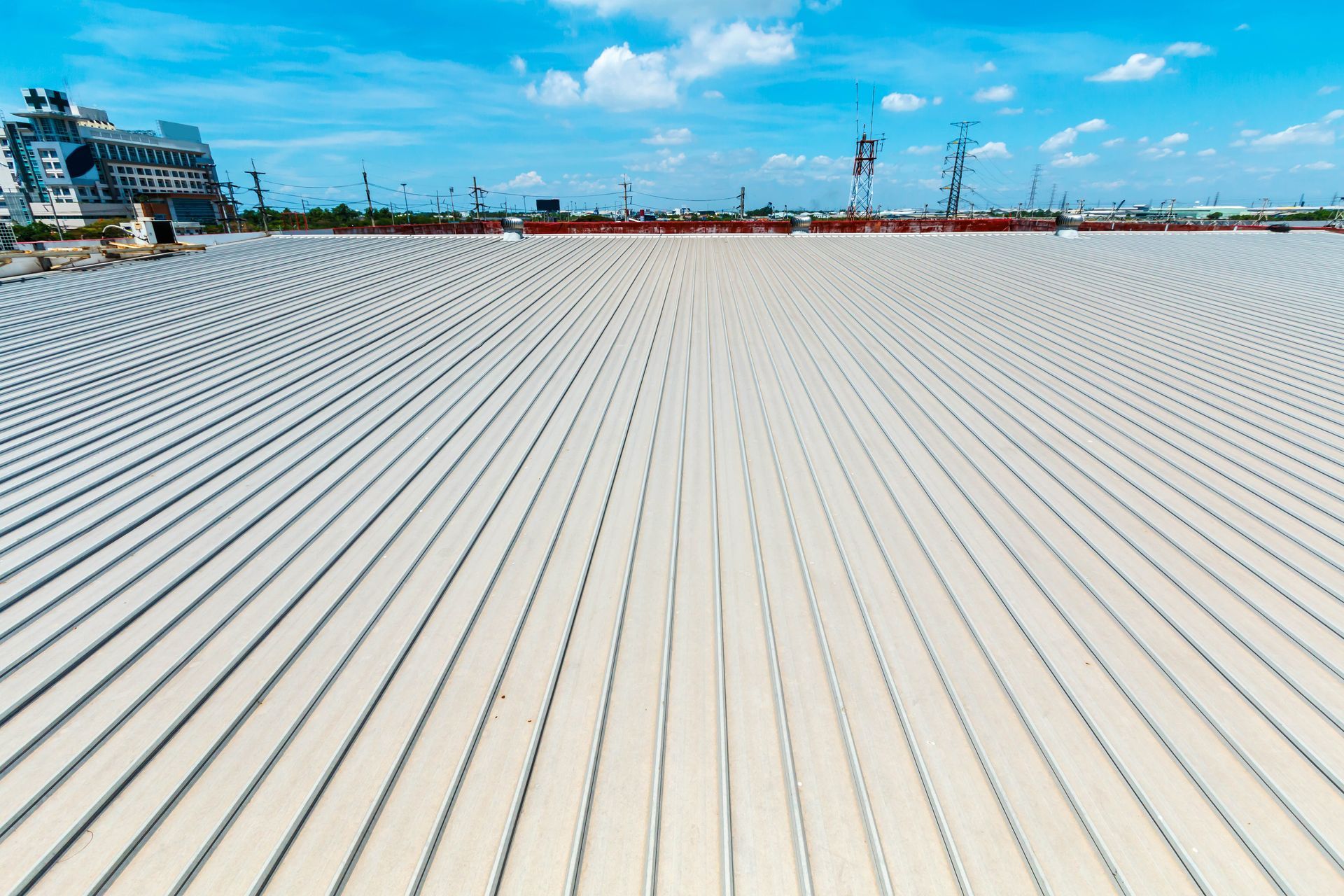
Managing a commercial real estate asset requires continuous vigilance, strategic capital allocation, and an uncompromising commitment to structural preservation. Whether overseeing an expansive logistics warehouse, a sprawling corporate office campus, a retail shopping complex, or an industrial manufacturing plant, the overhead roofing envelope serves as the primary barrier defending interior operations, inventory, and occupants against harsh environmental extremes. Unlike steep-slope residential structures designed primarily to shed precipitation quickly, low-slope commercial roofs must withstand standing water puddles, mechanical equipment vibration, foot traffic from HVAC maintenance technicians, and punishing ultraviolet degradation. When an overhead assembly develops unnoticed leaks, the resulting disruptions can halt production lines, ruin tenant inventories, and introduce liability hazards across floors. The immense scale of the roofing contracting trade demonstrates how vital commercial weatherproofing remains; indeed, according to Roofer's Guild, there are 102,744 roofing companies in the U.S. This vast industry presence illustrates why facility directors must carefully discern which specific engineering features and contractor qualifications determine lasting overhead durability. Sourcing experienced commercial roofing specialists transforms complex commercial building codes and roofing materials into an orderly, high-performance weatherproofing system that shields business capital and eliminates operational downtime. Understanding the essential architectural features that dictate commercial canopy longevity empowers property managers to make proactive capital investments. Choosing superior industrial materials protects structural integrity and guarantees lasting peace of mind across every business cycle.
Evaluating Single-Ply Membrane Formulations and Seam Integrity
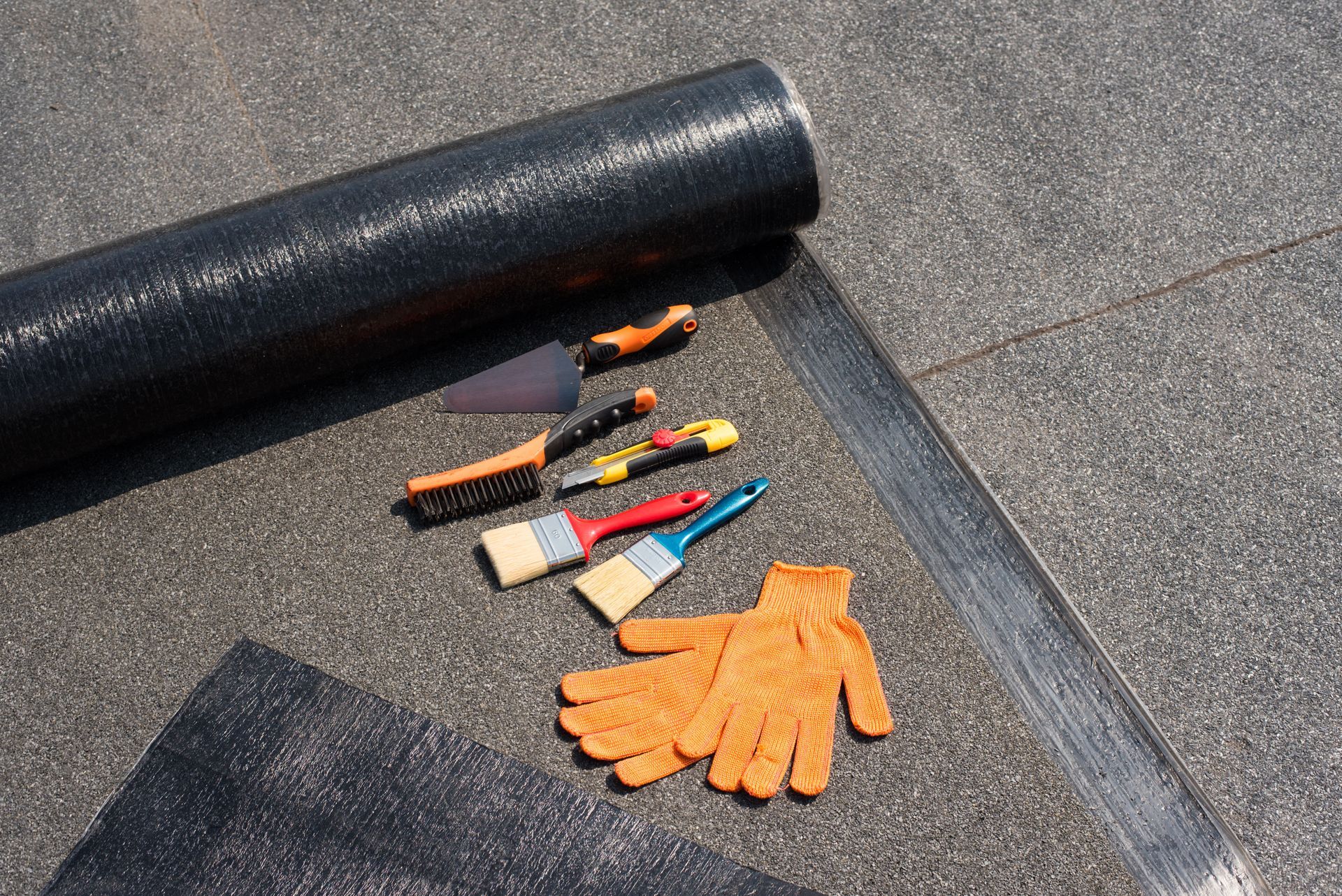
The initial consideration when designing a dependable commercial weatherproofing assembly is selecting an advanced single-ply membrane formulation suited to regional weather patterns and rooftop chemical exposures. Low-slope commercial roofs predominantly utilize thermoplastic polyolefin, polyvinyl chloride, or ethylene propylene diene monomer synthetic rubber sheets. Sourcing guidance through an accredited local commercial roofing contractor allows building owners to examine the unique molecular advantages of each membrane chemistry. Thermoplastic polyolefin and polyvinyl chloride membranes feature hot-air welded seams that fuse adjacent sheets, creating a monolithic, vulcanized bond that resists wind uplift and ponding water far better than taped seams. Furthermore, polyvinyl chloride formulations exhibit chemical resistance, making them ideal for facilities where exhaust fans vent greases and chemical vapors onto the roof. In contrast, synthetic rubber membranes provide exceptional elasticity, accommodating building expansion without fracturing during winter freezes. Matching membrane chemistry to operational facility needs prevents premature membrane brittleness, eliminates seam separations, and guarantees decades of watertight commercial defense.
Designing Slope Drainage Profiles and Preventing Standing Water
Water represents the most persistent and insidious natural threat confronting low-slope commercial properties, as stagnant puddles accelerate membrane degradation, encourage vegetation growth, and introduce dangerous structural dead loads. Unlike pitched roofs that rely on gravity, flat commercial roof decks frequently suffer from subtle settling depressions where rainwater accumulates after storms. Retaining a dedicated local commercial roofing contractor ensures that your commercial assembly incorporates precision tapered polyisocyanurate insulation systems designed to direct runoff toward internal roof drains, exterior scuppers, and collector boxes. Tapered insulation boards are engineered with calculated slopes that compensate for subfloor deck deflection, eliminating low spots where ponding water lingers.
Furthermore, commercial mechanics install clamping-ring drains with heavy strainers that block debris from choking drainage conduits. Integrating emergency overflow scuppers provides a critical safety release should primary drains become clogged during downpours. Establishing positive, uninterrupted drainage dynamics eliminates standing water weight, prevents winter freeze-thaw seam stresses, and protects commercial buildings from catastrophic roof collapses.
Optimizing Thermal Insulation Core Density and Energy Efficiency
A primary operating expenditure for commercial properties stems from heating and cooling vast interior volumes, making roof insulation density a crucial financial consideration for facility executives. Commercial roofs represent expansive horizontal surface areas exposed to relentless solar radiation during summer and freezing ambient air throughout winter. Consulting a knowledgeable local commercial roofing contractor provides access to multi-layered, staggered-joint polyisocyanurate and high-density cover board configurations that eliminate thermal bridging pathways. Staggering insulation board joints prevents conditioned indoor air from escaping through board seams, creating a continuous thermal envelope across the entire roof plane. Furthermore, installing high-density cover boards shields delicate foam cores from foot traffic, dropped tools, and hail impacts. Pairing dense insulation with reflective membranes reflects solar heat away, lowering interior cooling demands and alleviating mechanical workloads on compressors. Optimizing thermal core density slashes monthly utility expenditures, extends HVAC equipment longevity, and promotes environmental sustainability.
Fortifying Rooftop Penetrations and Custom Flashing Assemblies
Commercial rooftops function as busy mechanical platforms housing heavy HVAC package units, exhaust air fans, electrical conduits, satellite communications, and structural pipe penetrations. Every mechanical curb, support leg, and conduit pipe piercing the roofing membrane creates a potential avenue for hidden water intrusion if not detailed with master craftsmanship. Contracting for a qualified local commercial roofing contractor ensures that all rooftop mechanical penetrations receive custom-fabricated metal flashings and liquid-applied elastomeric details rather than temporary mastic sealants that crack under weather exposure. Master mechanics weld prefabricated curb wraps directly to primary field membranes, terminating vertical flashing heights well above anticipated water pooling levels. Furthermore, structural pipe penetrations receive welded split boots and stainless-steel compression clamps sealed with polyurethane sealants, creating flexible gaskets that accommodate mechanical vibration and building settling without tearing away from pipe walls. For clustered conduit penetrations, technicians install specialized penetration pockets filled with pourable sealants that encapsulate irregular pipes, preventing leaks into tenant spaces below.
Incorporating Walkway Protection Pads and Managing Rooftop Foot Traffic
Modern commercial facilities require frequent rooftop access by mechanical contractors, refrigeration specialists, elevator technicians, and solar panel maintenance teams to service essential building machinery. Unprotected roofing membranes suffer severe puncture damage, scuff abrasions, and mechanical tears when technicians drag heavy metal tools, drop compressor panels, or walk repeatedly across membrane seams. Engaging a certified local commercial roofing contractor provides property managers with dedicated walkway protection systems tailored to routine maintenance routes. Walkway systems feature thick, heat-welded textured membrane pads or interlocking rubber pavers that distribute physical weight, provide non-slip traction for service personnel, and protect underlying membranes from physical punctures. Technicians strategically lay textured walkway paths connecting roof access hatches and exterior ladders directly to primary HVAC units, electrical disconnect boxes, and penthouse service doors. Furthermore, installing rubber equipment support pads beneath conduit pipes prevents metal framing from vibrating against membranes. Designating dedicated pathways protects membranes from puncture damage, enhances safety, and preserves manufacturer warranties.
Investing in high-performance commercial roofing features represents an indispensable foundation for long-term real estate profitability, operational security, and capital preservation. Commercial facilities house valuable inventory, sensitive electronic infrastructure, and dedicated personnel who depend on an unyielding, watertight overhead barrier. By prioritizing advanced single-ply membrane chemistries, engineering positive slope drainage systems, maximizing thermal insulation core density, securing rooftop mechanical penetrations, and installing protective maintenance walkways, property managers eliminate preventable commercial roof failures. Choosing certified trade artisans over substandard contractors ensures installations comply with strict municipal building codes and qualify for robust, non-prorated manufacturer warranties. Proactive commercial roof management turns an out-of-sight building component into a reliable, energy-efficient asset that withstands severe weather. Prioritizing engineering excellence and certified installation craftsmanship safeguards commercial equity, prevents catastrophic business disruptions, and guarantees lasting peace of mind for modern commercial property owners across every passing seasonal storm.
At Superior Classic Inc, our dedicated team brings deep commercial construction expertise, master installation craftsmanship, and an unwavering commitment to quality on every industrial and retail project we guide, ensuring your facility achieves maximum weather resistance, unyielding structural durability, and extraordinary operational efficiency across every square foot of roof deck. Contact us today or visit our local office to schedule your comprehensive commercial roof evaluation and discover the lasting benefits of working with trusted commercial roofing professionals.